Standing-water removal
Water Extraction in Hagerstown, MD
Tell the pro where the water is collecting. Call (844) 212-8840
Standing-water removal
Tell the pro where the water is collecting. Call (844) 212-8840
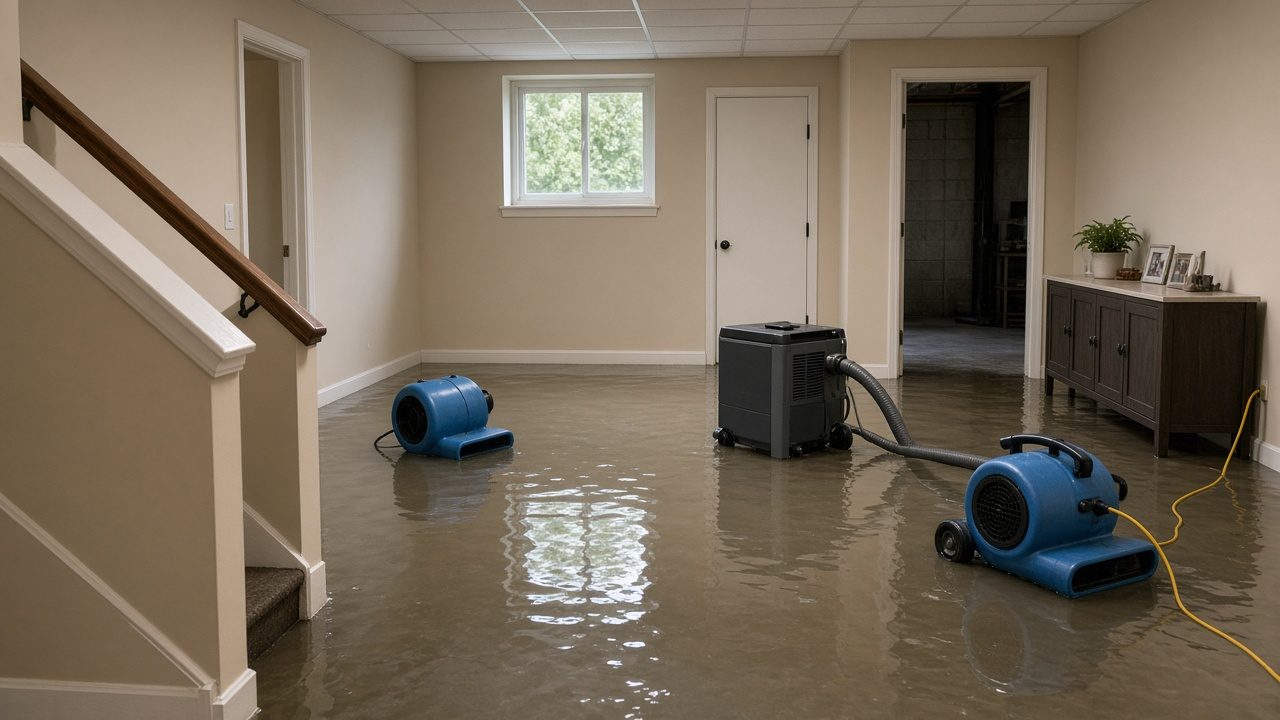
Water extraction focuses on removing standing and recoverable water from affected areas. At Water Damage Hagerstown, a local pro typically begins by discussing the source, the rooms involved, and whether access is safe. A local pro then explains the proposed removal work and what it does not include. You do not need to estimate the water volume before contacting a local pro; describe the depth and affected space only as well as you safely can.
Do not step into water to reach electrical equipment or operate an appliance while standing in water. Electrical hazards need to be addressed before removal work proceeds. Call (844) 212-8840 with your Hagerstown or Washington County address, tell the pro whether water is still entering, and ask about an assessment.
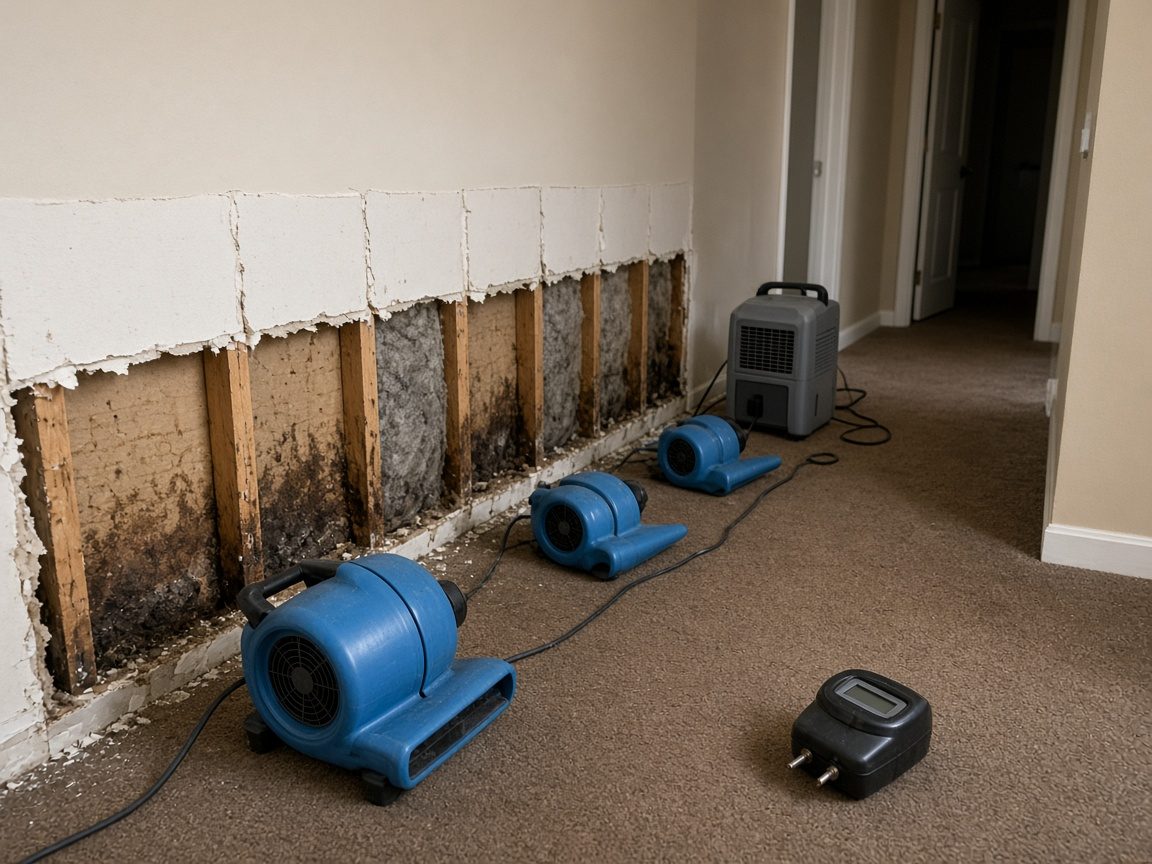
A local pro typically discusses the water source, affected surfaces, room access, and items that may obstruct the work. The proposed scope identifies where extraction will take place and which issues require separate attention.
A local pro does not describe extraction as a complete drying or sanitation service. At the end of the removal stage, a local pro typically explains the observed condition of the affected areas and any further assessment or work recommended.
A local pro typically assesses accessible areas where water has collected and discusses a removal approach appropriate to the conditions. That includes the entry route, the arrangement of the affected rooms, and any restrictions around utilities or damaged finishes. A local pro also asks whether the water level is changing so the assessment accounts for an ongoing problem rather than treating the visible accumulation as a one-time event. Before extraction begins, a local pro typically explains which rooms are included and what preparation is needed. A local pro typically discusses equipment access and the handling of nearby belongings rather than asking you to move through an unsafe area yourself. Where an area cannot be accessed safely, a local pro typically identifies that limitation and explains what must happen before it can be included.
Carpet, rugs, and other floor coverings need decisions based on their condition and the nature of the water exposure. EPA guidance distinguishes materials that may be dried from those that require removal, and it emphasizes the need to address wet underlying surfaces as well. Recovery of visible water alone does not establish that a floor assembly has been restored. A local pro typically explains whether the proposed extraction work includes a particular covering and what questions remain about the material beneath it. A local pro does not promise that a carpet, pad, rug, or finished floor can be saved before assessment. When further access or removal is proposed, a local pro typically discusses the reason and approval process before treating that recommendation as authorized work.
A useful extraction plan includes the route through the property, not just the wet room. Tell the pro about narrow stairs, shared hallways, locked doors, and items that cannot easily be moved. A local pro typically discusses where equipment would be positioned and how the work area would be managed so you understand which spaces need to remain accessible during the removal stage. A local pro also asks you to identify belongings that need particular consideration. That might be a cabinet holding important records, a work desk, or furniture with personal significance. A local pro typically discusses what handling is included and where specialist advice may be needed. The aim is to make these decisions deliberately rather than treating every item in the way as something to discard.
Once the agreed extraction work is complete, a local pro typically reviews the areas addressed and explains what can be observed at that point. The handoff separates completed removal work from recommendations for additional assessment, cleaning, drying, or repairs. A local pro also identifies any spaces that were excluded or inaccessible so they are not mistakenly assumed to have been addressed. Ask a local pro what records are included with your job and whether additional visits form part of the agreement. A local pro typically wants you to understand whether you have authorized extraction only or a broader project with separate stages. A clear handoff lets you decide on the next step with a realistic understanding of the work already completed and the work still under discussion.
| Service | Estimated Cost | Average |
|---|---|---|
| Localized standing-water extraction | Assessment required | Not published |
| Extraction across multiple rooms | Written project estimate | Not published |
| Extraction involving difficult access | Quoted after access review | Not published |
This page does not quote a fixed price or a verified local average. The estimate should identify the affected area, access requirements, labor, equipment, and any separate cleaning or drying work. Ask which charges are included before authorizing service.
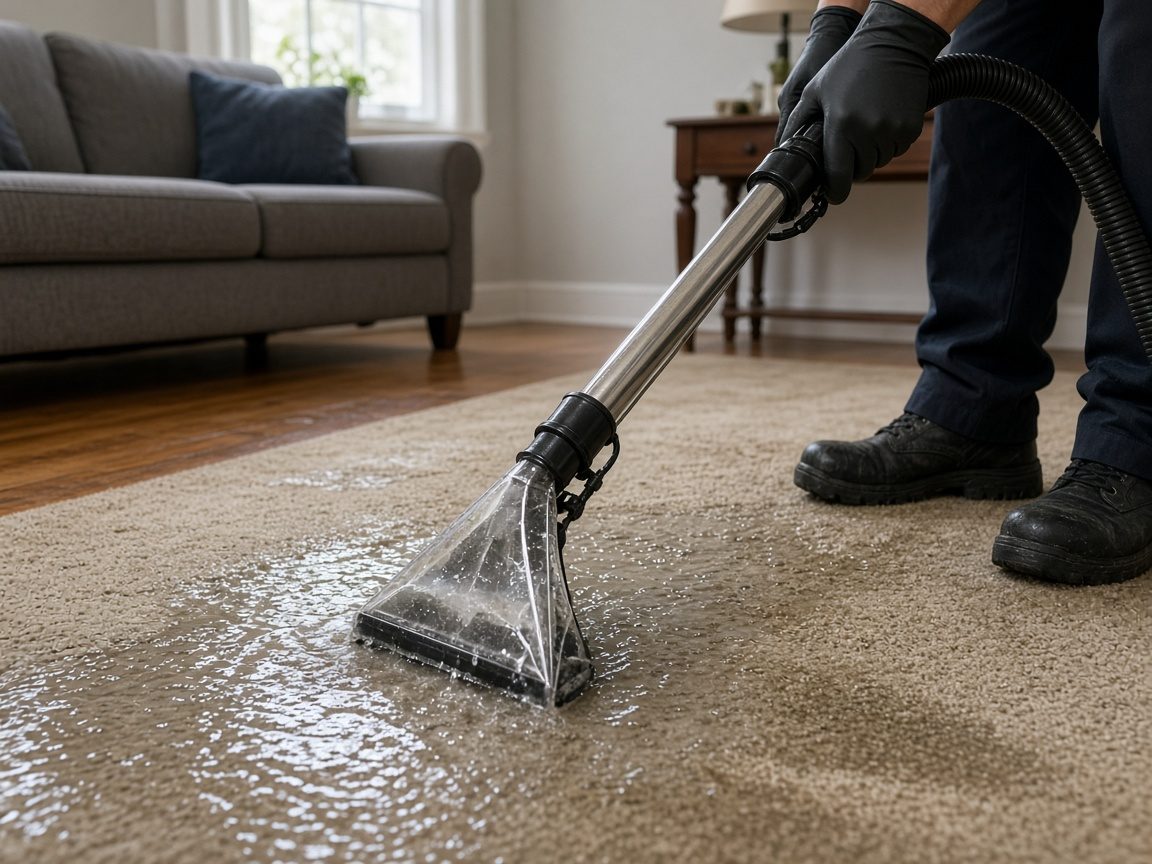
A local pro typically identifies the rooms and surfaces included. You should not have to guess whether a quoted removal service includes later drying.
A local pro typically asks about stairs, entrances, utilities, and belongings before arranging the work. That helps keep the visit focused on your property.
A local pro typically discusses material conditions before recommending the next step. Extraction is not presented as proof that every affected item can be retained.
Homeowners: describe what you are seeing and get connected with an independent local water damage pro. A quote over the phone is available when the situation allows.
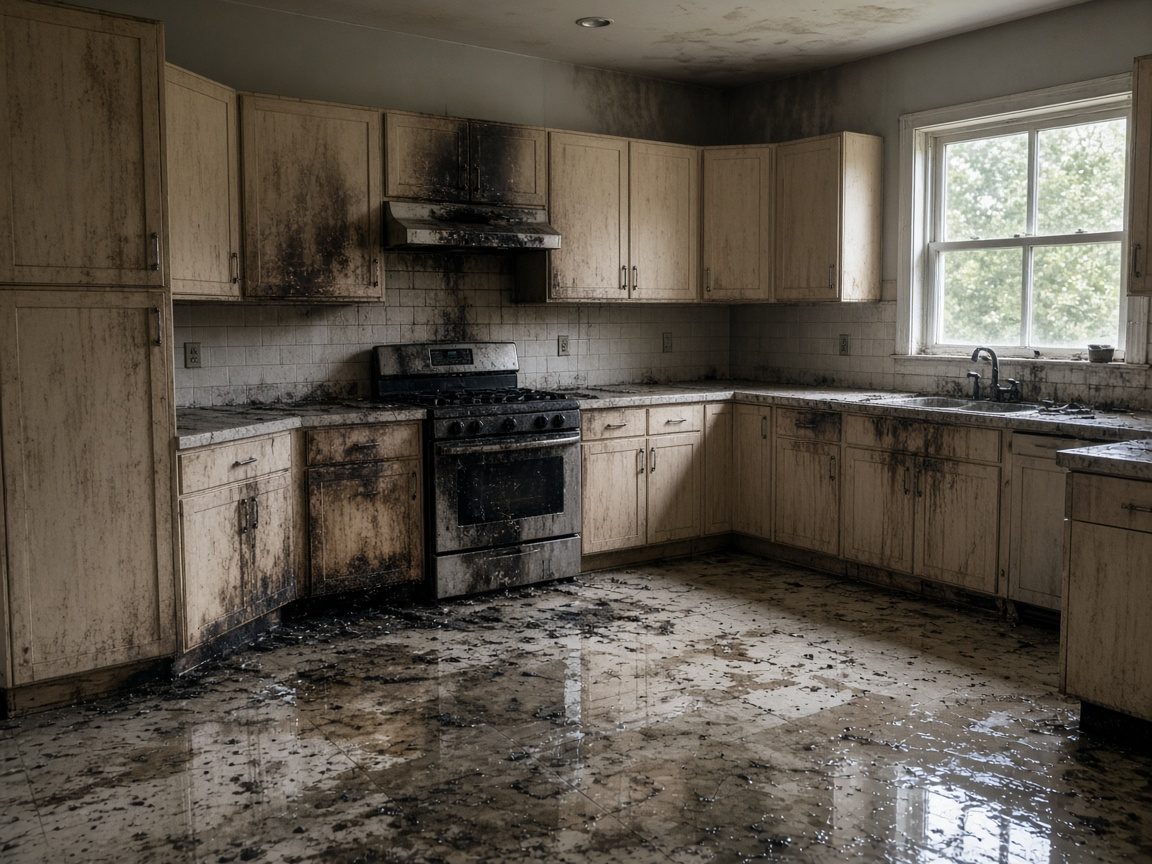
Share the address, affected rooms, known source, and whether water is still entering. Mention any restrictions or safety concerns without entering a hazardous area to investigate.
A local pro typically assesses the accessible areas and explains the proposed extraction work. A local pro typically discusses exclusions, equipment access, belongings, and the approvals needed before work begins.
A local pro typically carries out the agreed extraction work within the assessed areas. Any proposed change to that work is discussed rather than silently added to the original plan.
A local pro typically reviews the areas addressed and identifies remaining questions. You receive a clear distinction between water removal completed and any additional work being recommended.