Drying with a defined plan
Structural Drying and Dehumidification in Hagerstown
Ask about drying the affected building materials. Call to speak with a local water damage pro
Drying with a defined plan
Ask about drying the affected building materials. Call to speak with a local water damage pro
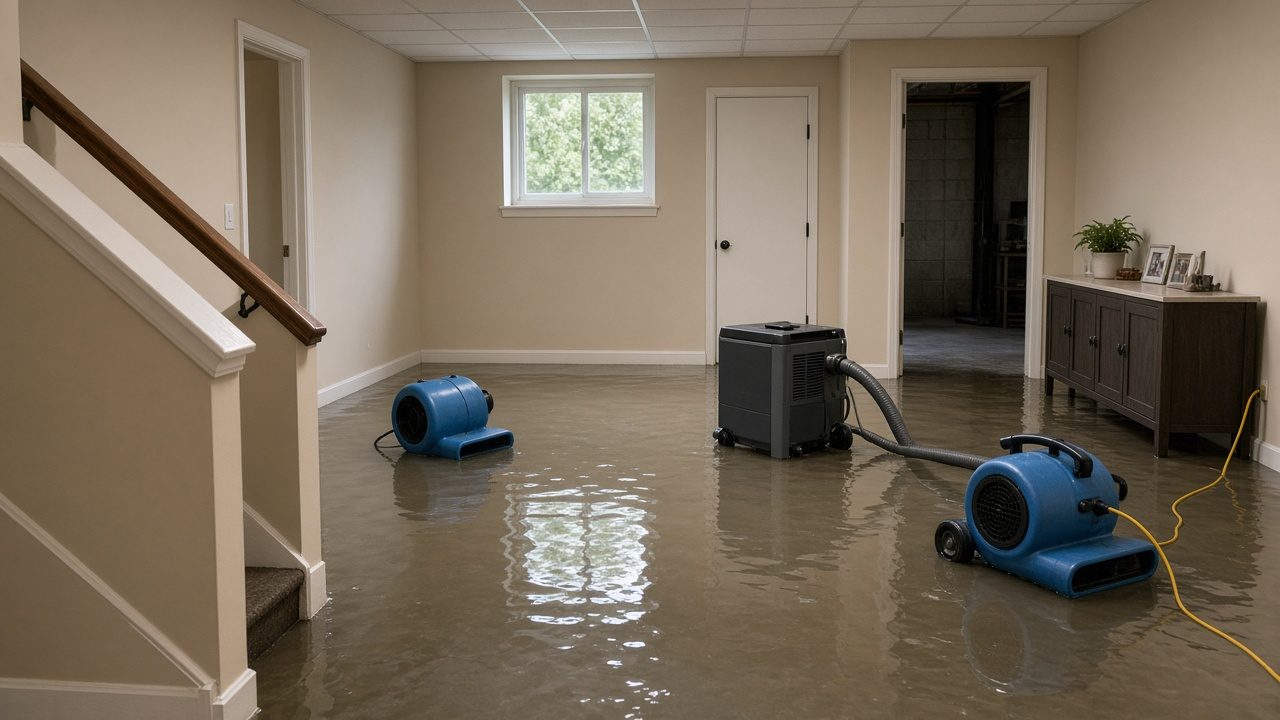
Structural drying focuses on affected building materials, while dehumidification addresses moisture in the air. Restoration drying can involve air-moving equipment, dehumidifiers, and other measures selected for the situation. A local pro typically explains the proposed setup and the materials included so you know what the equipment is intended to accomplish.
A local pro typically discusses the source of the moisture, any completed water removal, and the condition of the affected areas before proposing a drying plan. The conversation also covers monitoring, access, operating instructions, and how the endpoint will be reviewed. Tell the pro whether another contractor has already worked on the property, and share any records available from that work.

A local pro typically identifies which accessible materials are included in the assessment and explains any limitations. The plan should say more than how many machines would be placed in the room.
A local pro typically discusses monitoring arrangements, the observations used to evaluate progress, and the circumstances that may require a change. A predicted schedule is not presented as proof that drying is complete.
Moisture meters can help locate wet building materials and monitor their drying. Different readings serve different purposes, so the condition of a material is not established by a casual touch or a single room-humidity observation. A local pro typically explains which areas are being assessed and how those locations relate to the proposed drying work. The approach is to keep the observations understandable. A local pro typically discusses what has been checked, what remains inaccessible, and whether another type of assessment is needed. A local pro does not describe an equipment reading as an examination of every concealed part of a wall or floor. Where additional access is proposed, the reason and approval point remain part of the conversation.
The equipment arrangement should fit the assessed drying task. A local pro typically discusses the purpose of the proposed air movement and dehumidification, where equipment would be positioned, and which spaces must remain available for the work. A local pro also explains the operating instructions that apply to the setup rather than leaving you to decide which machines can be switched off or moved. Tell the pro about electrical limitations, noise-sensitive work, sleeping arrangements, pets, and the routes you need to use through the property. A local pro typically discusses those needs before finalizing the arrangement.
Monitoring is part of the discussion from the beginning. A local pro typically explains the proposed visit arrangements and what will be reviewed during those checks. You should know how to report an equipment problem, a new leak, a power interruption, or another change that could affect the agreed plan. A local pro does not expect you to troubleshoot restoration equipment yourself. When observations lead to a revised recommendation, a local pro typically explains the change and any effect on the scope or anticipated schedule. More equipment or more time should not appear without an understandable reason. A local pro also distinguishes a revised estimate from an authorized extension so you can follow the decisions being made about your property and the associated work.
Drying completion should be reviewed before refinishing affected materials. EPA guidance identifies moisture measurement as a useful part of determining whether materials such as walls, cabinets, and flooring are ready for that next stage. A local pro typically discusses the observations supporting the drying handoff and identifies areas that were not included or could not be assessed. The handoff also distinguishes drying from other requirements. A local pro does not describe equipment removal as approval of structural integrity, electrical safety, mold clearance, or a flooring manufacturer's installation conditions. Where another contractor needs its own checks before proceeding, those remain separate. You should leave the drying stage with a clear account of the work completed and any outstanding questions.
| Service | Estimated Cost | Average |
|---|---|---|
| Localized structural drying | Assessment required | Not published |
| Multi-room drying and dehumidification | Written project estimate | Not published |
| Extended monitoring or restricted access | Quoted within the agreed scope | Not published |
No fixed equipment rate or verified local average is quoted. Ask how equipment use, monitoring visits, access work, and extensions are priced. The written estimate should explain the initial scope and how any additional authorized drying time will be handled.
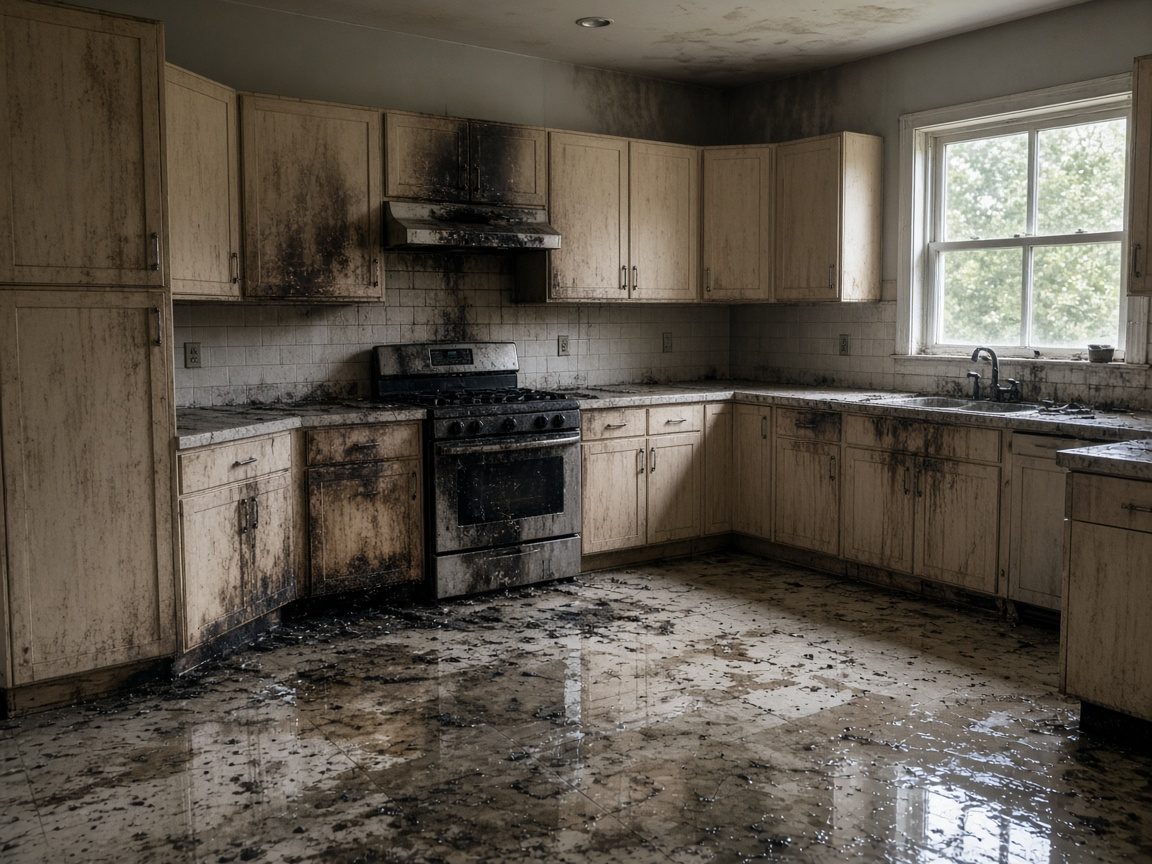
A local pro typically discusses what the proposed setup is intended to achieve. You should understand the plan beyond the number of machines.
A local pro typically explains how progress will be reviewed and how changes will be communicated. An initial schedule is not treated as a promised endpoint.
A local pro typically distinguishes completed drying work from inspections and approvals provided by other professionals. That keeps later repairs on a clear footing.
Homeowners: describe what you are seeing and get connected with an independent local water damage pro. A quote over the phone is available when the situation allows.
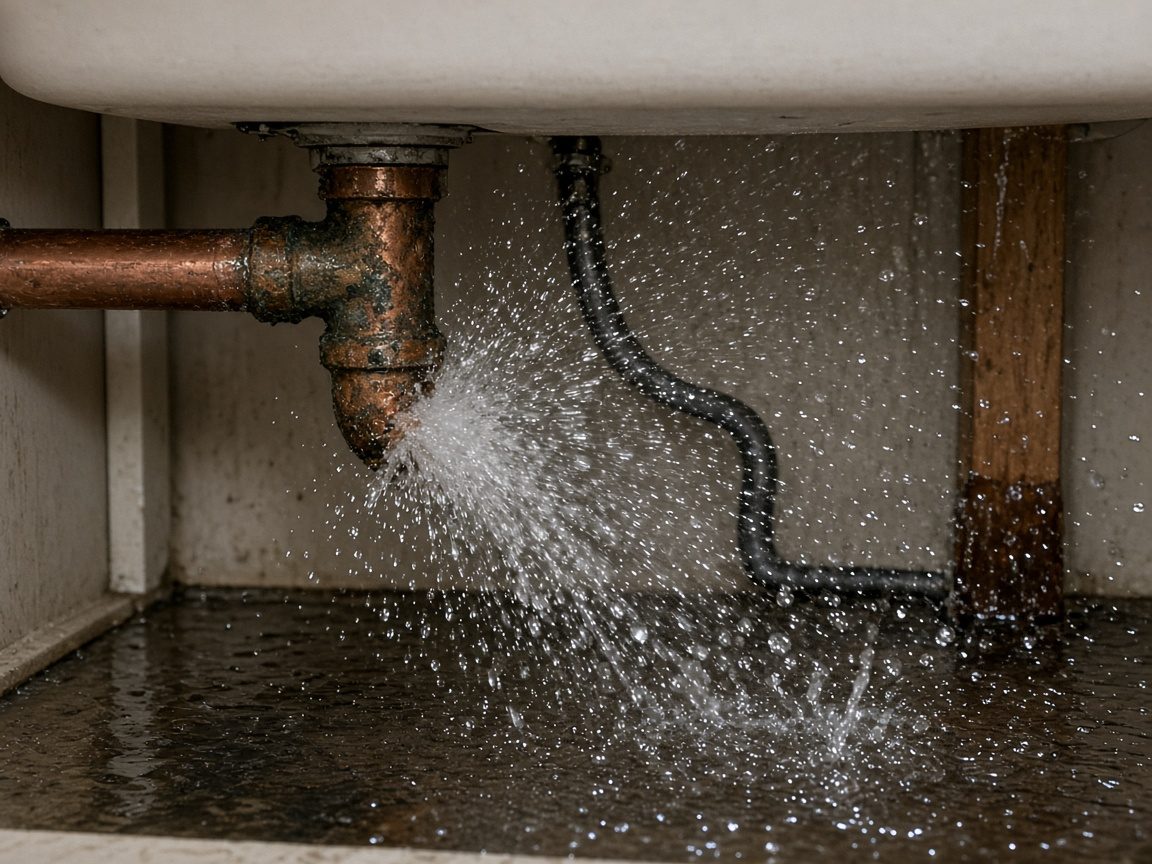
Tell the pro about the original loss, source repairs, extraction, and any earlier drying attempts. Share existing job records when available.
A local pro typically identifies the included areas and discusses equipment placement, access, monitoring arrangements, and the proposed basis for reviewing completion.
A local pro typically reviews the agreed drying areas and explains any recommended adjustments. Additional work or time is discussed through the approval process.
A local pro typically explains the drying observations, included areas, and unresolved limitations. Separate repair and safety responsibilities remain clearly identified.