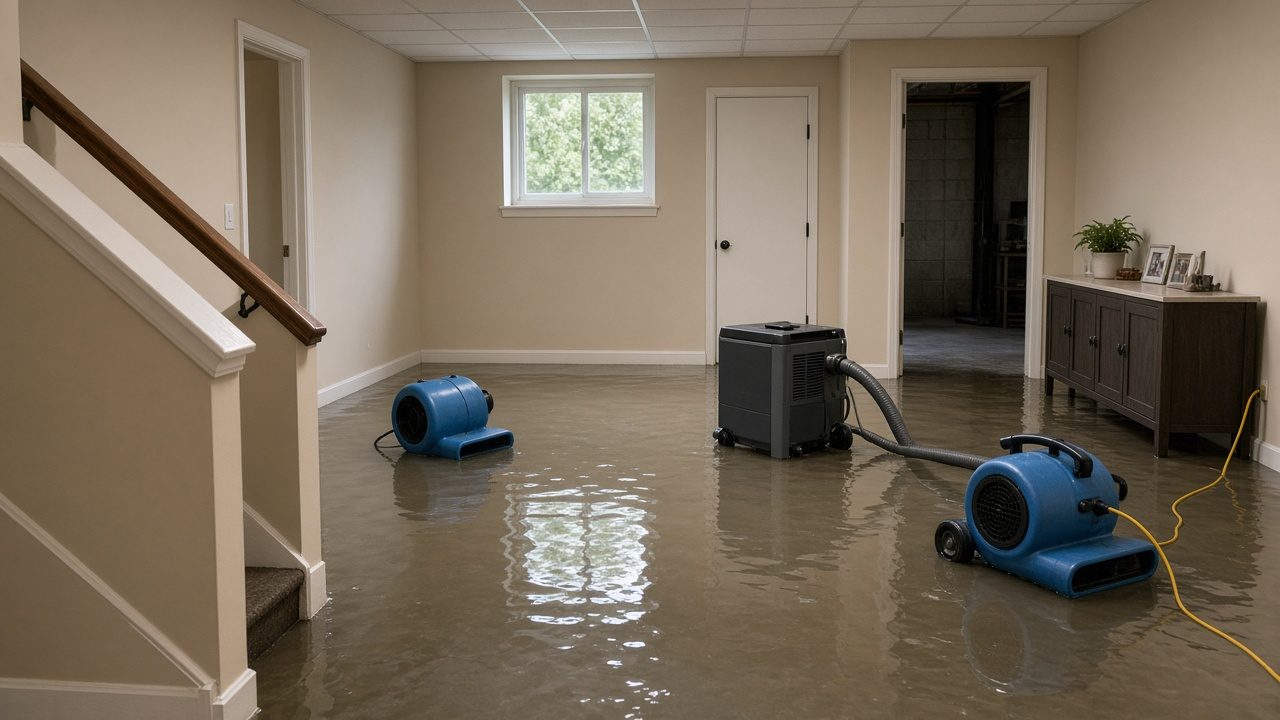
Cleanup after a plumbing failure
Burst Pipe Water Damage Cleanup in Hagerstown
Tell the pro where the pipe failed and water spread. Call (844) 212-8840
Cleanup after a plumbing failure
Tell the pro where the pipe failed and water spread. Call (844) 212-8840
A burst pipe creates two separate jobs: addressing the plumbing failure and dealing with the water damage it caused. Water Damage Hagerstown focuses on the affected rooms and materials. A local pro typically discusses the cleanup while your plumber handles the failed pipe, keeping the responsibilities and timing clear rather than treating restoration as a substitute for plumbing repair.
Tell the pro whether the water supply has been isolated, whether a plumber is attending, and which rooms or levels appear affected. Do not enter a hazardous area to locate a valve or inspect a ceiling. From the information you can safely provide, a local pro will discuss an assessment and the proposed restoration sequence for your Hagerstown-area property.
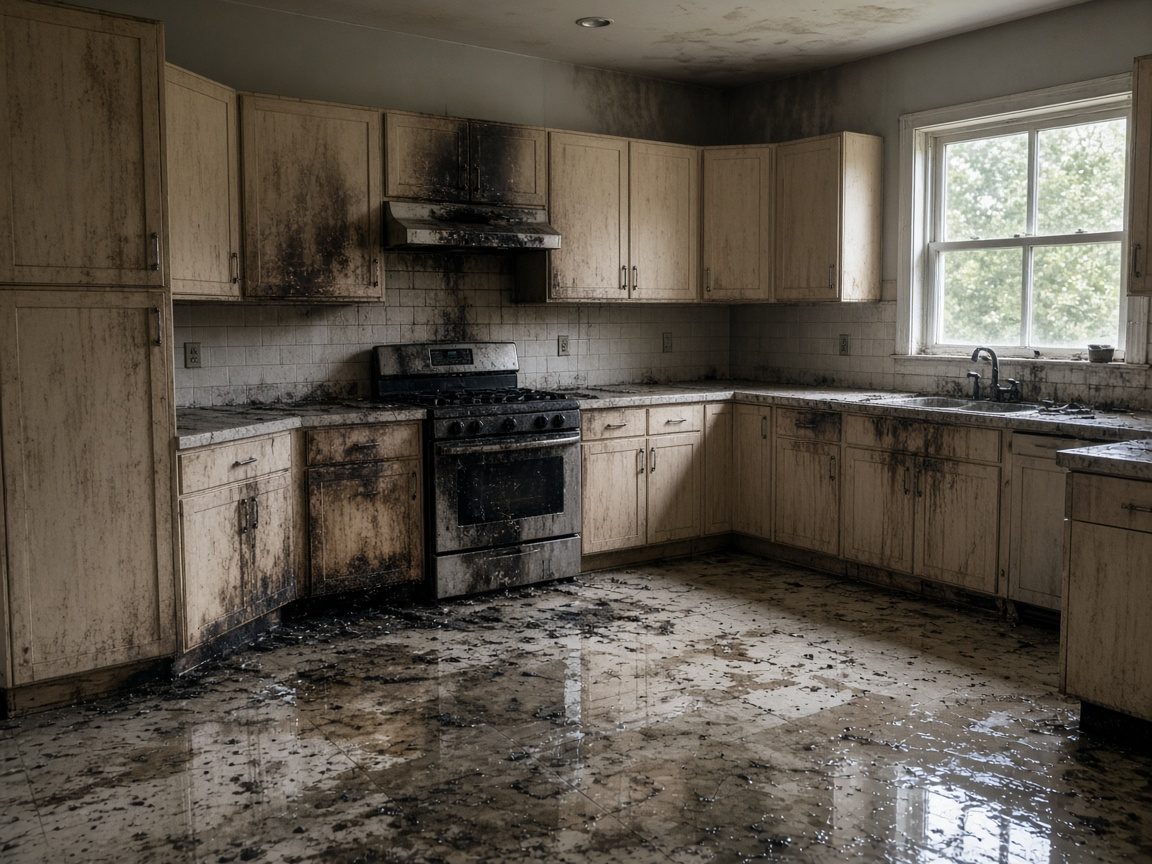
A local pro typically asks what is known about the failure and what work has already been completed. An active leak, an isolated supply, and a repaired line are different starting points for planning cleanup.
A local pro typically discusses the plumber's work area, the restoration work proposed, and who can approve access or material removal. That keeps the project organized when more than one contractor is involved.
Tell the pro where the pipe failure occurred and what your plumber has found. A local pro does not need you to identify the pipe material or explain the technical cause before contacting a local pro. The useful starting information is whether water is still flowing, whether the supply has been isolated, and which part of the property the plumber needs to access. A local pro typically discusses the restoration sequence around that work. If a wall or ceiling is already open for the repair, a local pro typically clarifies which opening belongs to the plumbing scope and whether additional access is proposed for the water damage assessment. A local pro does not claim responsibility for repairing the pipe, testing the plumbing, or deciding when a plumbing system can be returned to service.
The assessment plan identifies the rooms and building levels to be reviewed rather than focusing only on the point of failure. Tell the pro about every area where you have noticed water, staining, or another change. A local pro typically distinguishes your observations from the findings so the job record does not treat an unconfirmed suspicion as an established fact. For an upstairs failure, a local pro typically discusses access to the rooms below as well as the room containing the damaged pipe. For a shared building, a local pro typically asks who can authorize entry into other affected spaces. A local pro typically explains what has actually been inspected and what remains outside the accessible scope, so an initial visit is not mistaken for an assessment of an entire building.
Water-damaged finishes need a condition-based assessment. EPA guidance notes that some drywall may be dried in place when it has not swollen and its seams remain intact, while other conditions require removal. That distinction is a reason to inspect the material rather than promise that every wall can stay or that every wet wall must go. A local pro typically explains proposed access, removal, and drying decisions in terms of the specific areas involved. You should understand which surfaces would remain, which changes require approval, and what finish repairs would be left afterward. A local pro also asks about previous repairs or alterations you know about, without treating a building's age alone as an answer to the current damage.
A local pro typically discusses the records included with the agreed work, such as photographs, affected-room notes, and observations made during restoration. These records should distinguish the water damage work from the plumber's findings and invoice. A local pro does not claim to establish the technical cause of a pipe failure unless that determination falls within a separately qualified professional's work. Maryland insurance guidance says sudden burst-pipe water damage is generally treated differently from flooding, but the particular policy and circumstances still control coverage. A local pro does not promise claim approval or tell you that every part of the repair will be reimbursed. Ask your insurer what it needs and ask which restoration records can be supplied.
| Service | Estimated Cost | Average |
|---|---|---|
| Water damage limited to one area | Assessment required | Not published |
| Water damage affecting several rooms | Written project estimate | Not published |
| Multi-level damage or restricted access | Scope-specific estimate | Not published |
A site-specific estimate is needed; no fixed rate or verified local average is claimed. Ask which cleanup, drying, monitoring, and material-handling charges are included. Plumbing repair, finish reconstruction, and insurance coverage are separate matters unless clearly stated otherwise.
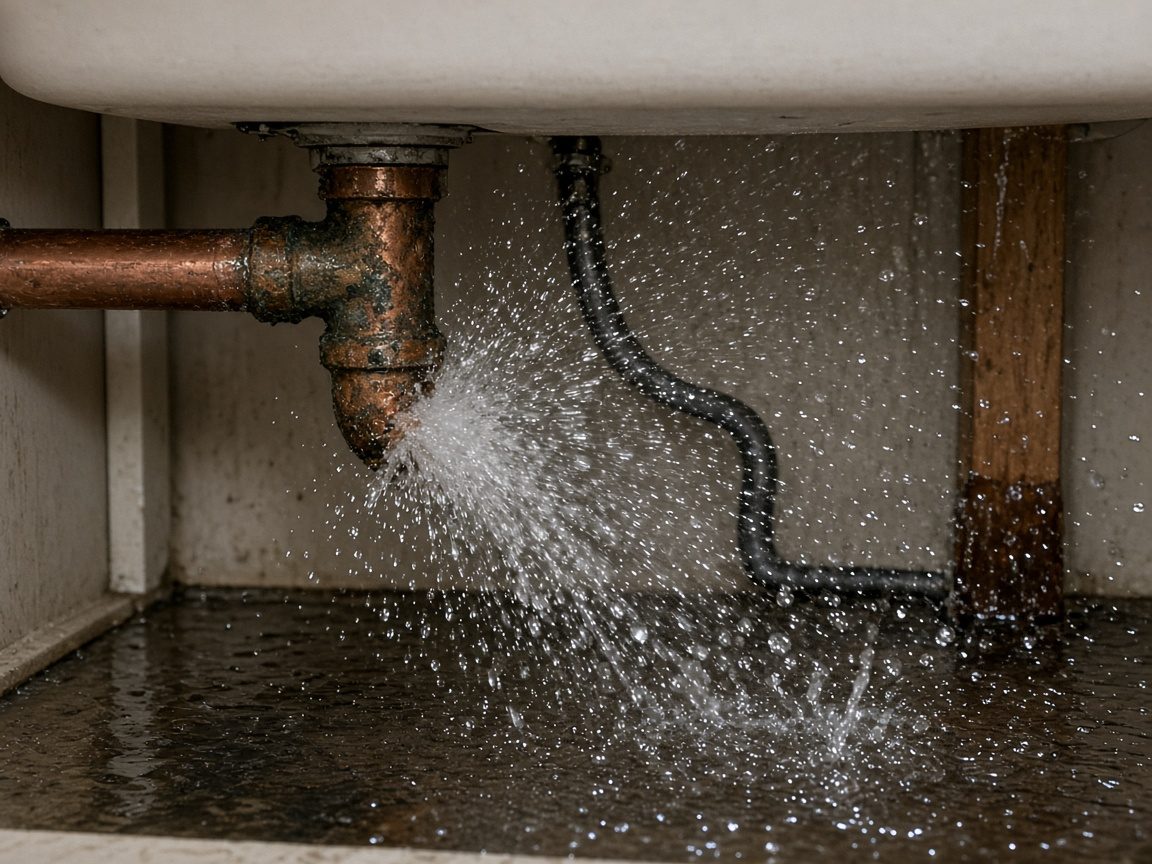
A local pro typically explains the water damage scope without presenting ourselves as the contractor repairing the pipe. Each trade's responsibility remains clear.
A local pro typically discusses the spaces to be assessed and any access limitations. An unseen area is not silently treated as an inspected area.
A local pro typically discusses proposed openings and removals before they become authorized work. You should understand the effect on later repairs.
Homeowners: describe what you are seeing and get connected with an independent local water damage pro. A quote over the phone is available when the situation allows.
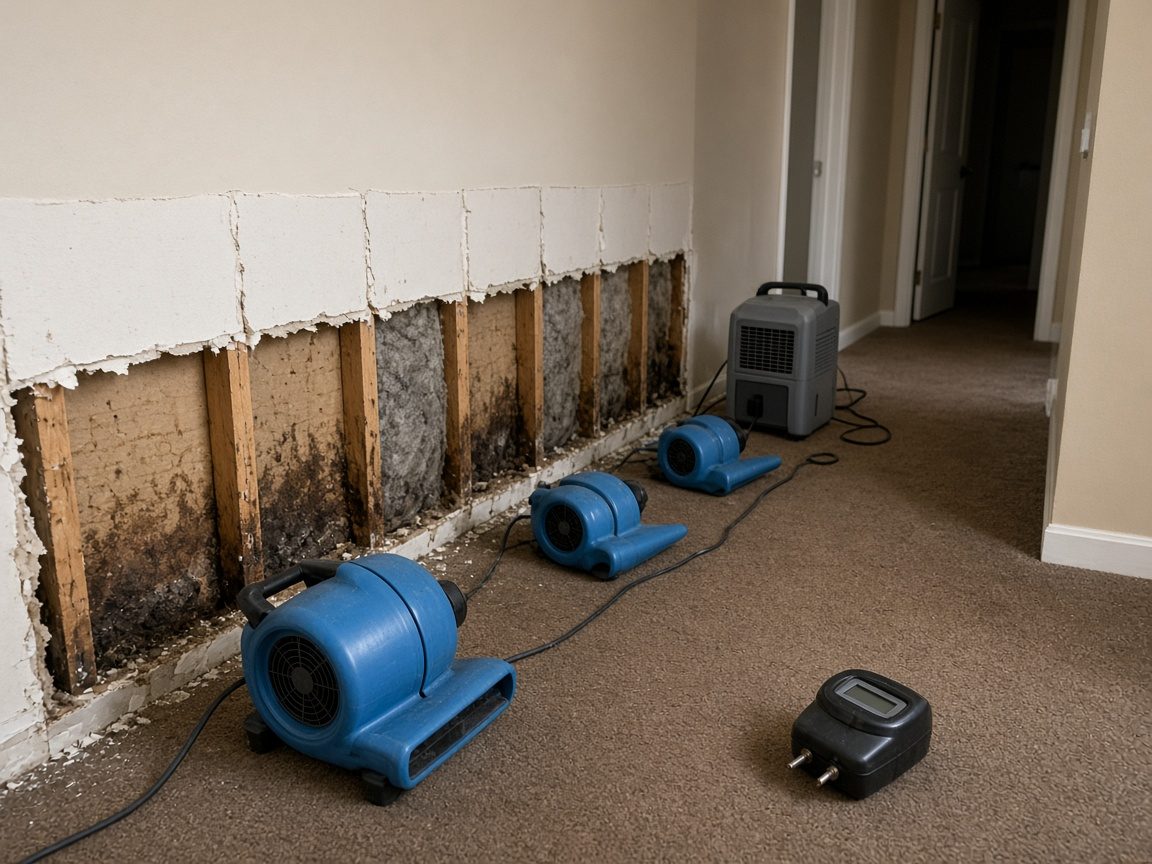
Tell the pro whether the supply is isolated, whether a plumber is involved, and where damage is visible. Only share observations gathered safely.
A local pro typically discusses the rooms and levels to review, noting any spaces that require permission or cannot yet be entered.
A local pro typically explains the proposed cleanup, material access, drying work, and exclusions. Plumbing repairs remain separately identified.
A local pro typically discusses completed work and outstanding decisions, keeping the restoration record separate from plumbing testing, rebuilding, and insurance determinations.